Tips27 June 2025
Malta Before You Go: Practical Guide (Visa, EHIC, Money, Plugs)
“Visa requirements, EHIC, currency, plugs, SIM cards, insurance — everything to check before flying to Malta.”

This is a pre-departure checklist — not a sightseeing guide. Facts and specifics, nothing more.
Visa — do you need one?
No. Malta has been an EU and Schengen member since 2004. EU citizens enter on a national ID card or passport. No visas, no entry forms.
Health — EHIC essential
The European Health Insurance Card (EHIC) entitles EU citizens to free medical treatment at Maltese public hospitals (Mater Dei Hospital). Without it, you pay for everything — travel insurance covers more, but EHIC + travel insurance = full protection. Apply through your national health system before departure.
Mater Dei Hospital is a modern public hospital — regularly praised by visitors.
Money — euros, cards, ATMs
- Currency: Euro (€)
- Cards accepted almost everywhere — Visa and Mastercard. Small bars may prefer cash
- ATMs: in Valletta, Sliema and St. Julian's everywhere. On Comino — none. On Gozo — in Victoria and near the ferry
- Multi-currency app (Revolut, Wise) = best exchange rate option
Plugs and adapters
Malta uses type G plugs (three-pin, UK style). European devices need an adapter. Adapters available in electronics shops and supermarkets for €2–5. Hotels usually have 1–2 European sockets but not on every wall.
SIM card and internet
SIM cards from Maltese operators (Maltacom, Epic) available at the airport. Packages from €10–20 for a week (several GB). Alternatively: EU roaming is cheap (check your provider's limits). Hotel Wi-Fi usually free.
Safety
Malta is one of the safest countries in Europe. Crime statistics are very low. Standard precautions apply: watch your bag in crowds, don't leave valuables in a hire car.
What to pack
- Type G plug adapter
- EHIC + travel insurance
- SPF 50 sunscreen (sun is strong even in March)
- Water shoes (rocks and sea urchins)
- Light jacket for evenings (April–May, October–November)
- Comfortable walking shoes — Valletta has cobbled streets and stairs
The most common mistake? Forgetting the plug adapter and paying 3× more for one at the airport. Buy one before you leave for a few pennies. And apply for your EHIC at least 2 weeks before departure — it's quick online, but there can sometimes be delays.
#Malta guide#visa Malta#EHIC#plug adapter#currency Malta#SIM Malta#what to bring Malta
Continue in Malta
Related places, routes and articles
Related videos
More videos →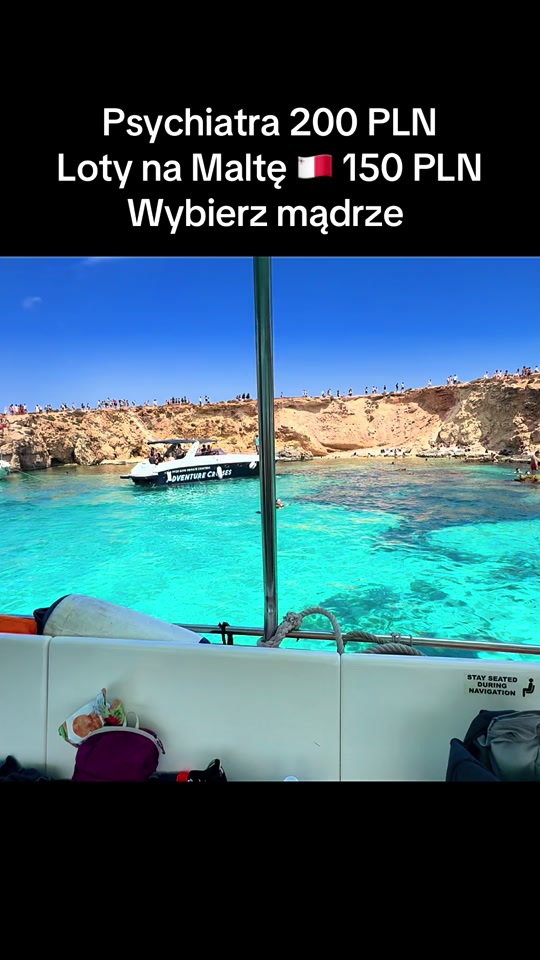
TikTok
PL
0:11
Przyroda
#polkanamalcie #bluelagoon #maltavibe #boatparty #bbq
Polka z Malty6 mies. temu
132K2K🔥
7.6
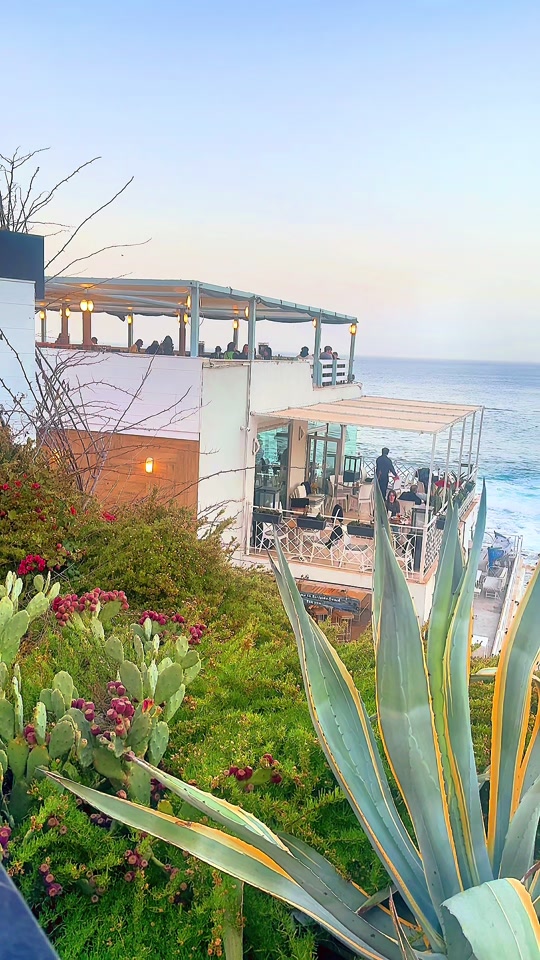
TikTok
PL
1:03
Podróże
Wystarczy że w mapy wpiszesz Surfside Sliema, żeby odnaleźć to miejsc...
Polka z Malty6 mies. temu
52K2K🔥
7.6

TikTok
PL
1:04
Podróże
Kiedy żeś nie wziął przejściówki do prądu na Maltę ⚡️🔌 #polkanamalcie...
Polka z Malty9 mies. temu
36K629
7.3
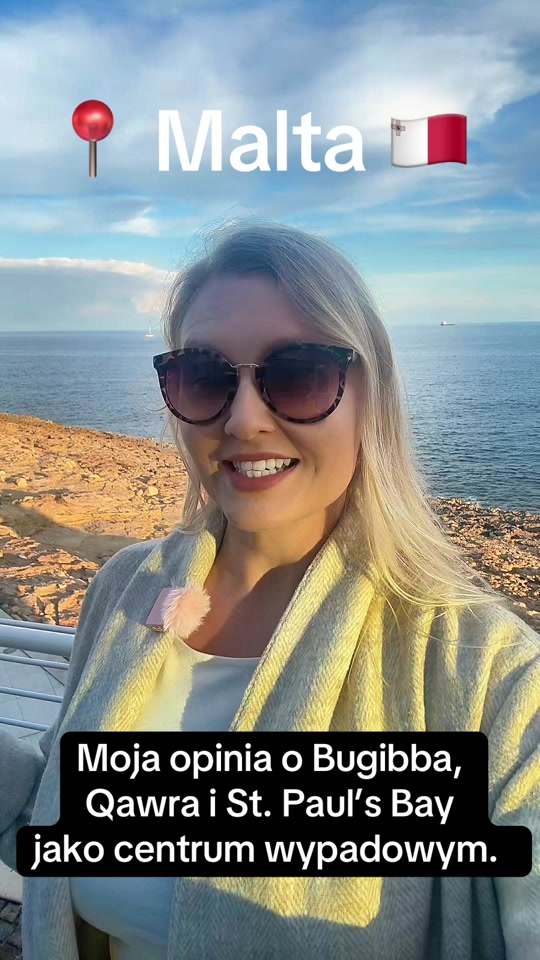
TikTok
PL
1:15
Podróże
Co myślę o wyborze Qawra, St. Paul’s Bay i Buġibba na centrum wypadow...
Polka z Malty6 mies. temu
17K238
7.3
Planning Malta without guesswork?
Browse stays, routes, activities, and practical answers in one place.